Featured Counselors

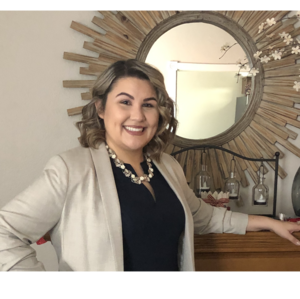
Alicia Brown

Psychologist

About

As a licensed clinical psychologist with experience both in general mental health and behavioral medicine, I offer a variety of services to individuals aged 18 and older. My specialty is in providing behavioral health services to promote positive lifestyle changes and improved quality of life. In journeying with patients toward health and well-being, I take into consideration biological, psychological, and social bases of health and disease. I value the opportunity to come alongside others in their pursuit of personal growth, insight, and change.

I draw from a variety of empirically based treatment modalities—tailoring my therapeutic approach to meet the needs of each of my patients. I also try to identify and address underlying factors that may be contributing to the more surface level problem(s), such as poor sleep, overbreathing, and/or nutritional deficiencies--making referrals to other medical professionals when indicated.

While some concerns benefit from getting to the root cause, I also work with my patients to address problematic thoughts and beliefs, clarify values, set goals, become more accepting, stay in the present moment, and improve problem solving skills. More important than any therapy approach, however, is the therapeutic relationship I strive to cultivate.

In addition to operating from a biopsychosocial lens, I am attuned to the spiritual needs of my patients. Although I work with individuals from any religious/non-religious or cultural background, I specialize in Christian integration—incorporating a Biblical perspective when requested. I also have an interest in integrating psychology and technology and promote the use of mental health mobile apps.

As a licensed clinical psychologist with experience both in general mental health and behavioral medicine, I offer a variety of services to individuals aged 18 and older. My specialty is in providing behavioral health services to promote positive lifestyle changes and improved quality of life. In journeying with patients toward health and well-being, I take into consideration biological, psychological, and social bases of health and disease. I value the opportunity to come alongside others in their pursuit of personal growth, insight, and change.

I draw from a variety of empirically based treatment modalities—tailoring my therapeutic approach to meet the needs of each of my patients. I also try to identify and address underlying factors that may be contributing to the more surface level problem(s), such as poor sleep, overbreathing, and/or nutritional deficiencies--making referrals to other medical professionals when indicated.

While some concerns benefit from getting to the root cause, I also work with my patients to address problematic thoughts and beliefs, clarify values, set goals, become more accepting, stay in the present moment, and improve problem solving skills. More important than any therapy approach, however, is the therapeutic relationship I strive to cultivate.

In addition to operating from a biopsychosocial lens, I am attuned to the spiritual needs of my patients. Although I work with individuals from any religious/non-religious or cultural background, I specialize in Christian integration—incorporating a Biblical perspective when requested. I also have an interest in integrating psychology and technology and promote the use of mental health mobile apps.

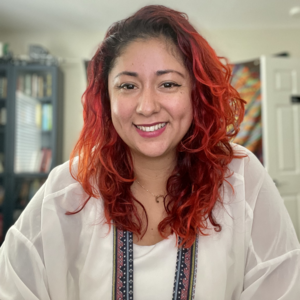
Natalie Delgado

Associate Professional Counselor

About

Life can get overwhelming sometimes, and everyone has an opinion on how you should manage it. No matter what you’re dealing with, someone always suggests a quick fix— anxiety: “just calm down;” depression: “just be happy;” or disordered eating: “just eat.” The reality is, if it were that simple, we would all be perfect people and never struggle with anything in our entire lives. That’s just not human nature. So if that’s not the answer, how do we grow and change? How do we resolve the deepest, most wounded parts of ourselves?

There’s a quote by Christine Langley-Obaugh that I love, which says, “We repeat what we don’t repair.” We have to sit with those uncomfortable parts of ourselves—our anxiety, depression, disordered eating, grief—and figure out when and why it showed up. What is it trying to tell us about ourselves and our experience?

That’s what the therapeutic space is for. We put other pieces of our lives on hold for an hour, to sit and listen and process. From there, we can establish a different way for the brain and body to communicate with one another; a way that allows for expression without overwhelm. It’s a process that can take some time, but it is oh so worth it.

Life can get overwhelming sometimes, and everyone has an opinion on how you should manage it. No matter what you’re dealing with, someone always suggests a quick fix— anxiety: “just calm down;” depression: “just be happy;” or disordered eating: “just eat.” The reality is, if it were that simple, we would all be perfect people and never struggle with anything in our entire lives. That’s just not human nature. So if that’s not the answer, how do we grow and change? How do we resolve the deepest, most wounded parts of ourselves?

There’s a quote by Christine Langley-Obaugh that I love, which says, “We repeat what we don’t repair.” We have to sit with those uncomfortable parts of ourselves—our anxiety, depression, disordered eating, grief—and figure out when and why it showed up. What is it trying to tell us about ourselves and our experience?

That’s what the therapeutic space is for. We put other pieces of our lives on hold for an hour, to sit and listen and process. From there, we can establish a different way for the brain and body to communicate with one another; a way that allows for expression without overwhelm. It’s a process that can take some time, but it is oh so worth it.

FAQ Counselor Log In Organization Log In Terms and Conditions