Virtual Counseling
Concerns
Therapist Gender
Counseling For
Price Range
Insurance Accepted
Payment Options
Client Focus - Age
Client Focus - Religion
Client Focus - Ethnicity
Language Spoken
Treatment Approach
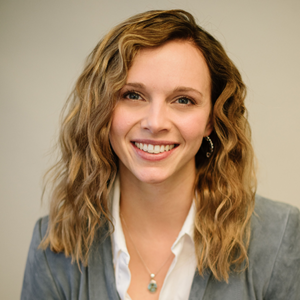
Catherine Virden
APC
Peachtree , GA
Catherine received her Bachelor’s degree from Tennessee Technology University in Agricultural Engineering Technology. She obtained her Masters of Arts in Clinical Mental Health Counseling at Richmont Graduate University. She uses an integrative theoretical approach in therapy in order to accommodate her diverse caseload. She sees Teens and Adults for a variety of concerns such as, anxiety, depression, communication skills, conflict resolution, and eating disorders. Outside the counseling room, she enjoys yoga, riding horses, trying new restaurants, reading, and connecting with friends.
Catherine is under the supervision of Adam Glendye, LPC, CPCS.
Specializations
Eating Disorders , Intuitive Eating, Disordered Eating, and Body Image concerns
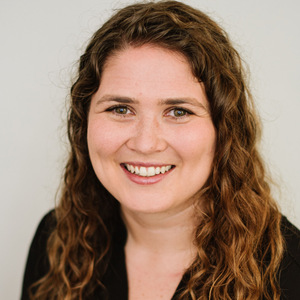
Courtney Salter
Counseling
Alpharetta, GA
You want to keep moving on with your life, but something is in the way. You may feel stuck, unmotivated, depressed, anxious, scared, and so much more. Life can be so challenging, and it isn't fair that you don't get instructions. At GROW, we understand that life can throw some unexpected curveballs that you were never prepared to handle. We want to help equip you with the tools to manage the challenges and wounds life can bring to move towards healing.
Courtney Salter loves helping people move forward. She is passionate about the potential that you have in your life, and works diligently to become a safe place to find and develop the tools within yourself and heal past wounds. Courtney earned her Master's Degree in Clinical Mental Health Counseling from Liberty University. She is a Licensed Professional Counselor, a Nationally Certified Counselor, and has extensive training in Dialectical Behavior Therapy (DBT). Courtney has worked in a psychiatric hospital with a range of disorders in the inpatient and outpatient units. Her experience extends to working with adults, teens, women, trauma, anxiety, addiction, depression, mood disorders, psychotic disorders, boundaries, communication, career, codependency, and relationships.
You are not broken in need of fixing; you may be healing and in need of care. Caring for yourself and your emotional/mental health is often a difficult thing to do. Yet unattended, the wounds and destructive coping mechanisms tear away the chance of healthy relationships, life-giving work, daily functioning, and effective parenting.
As your therapist, Courtney is determined to help you find your place in the healing process. You may wonder if you need counseling or if it will make a difference. Here at GROW, we have seen things get better. We are passionate about the potential that you have in your life. Life happens, but together we can find the next steps forward.
No Information Available.
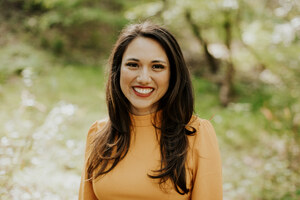
Mayra Richards
LPC
Atlanta, GA
Hi, thank you for looking at my profile. I am a Christian counselor in Atlanta and have been counseling for 6 years. I love helping people find their true self. I focus on childhood experiences that impact the person as an adult. I like giving practical tools and resources. Feel free to go to my website for more information. Email or text is the best way to communicate.
Depression, Anxiety, Trauma
Mikela Hallmark
LPC, LMHC
SANDY SPRINGS, GA
Are you a high achiever who is great at getting things done, but not great at connecting with your feelings? Or maybe you're struggling with your relationship. You're committed to your spouse, but you realize you've got a wall up and you're not sure how to bring it down. I enjoy helping high achievers work to reduce anxiety and perfectionism, and deepen connections with the people they love. I am a licensed counselor in the states of GA and FL, and am a CPCS in the state of GA which qualifies me to supervise other counselors. I am trained in Gottman Method for couples (through level 3) and additionally trained in helping couples recover from affairs. I am also certified in EMDR, a trauma therapy, ERP, DBT and more. My clients know me as someone who will help them take a nonjudgmental approach to their situation, connect with deep needs that they have long ignored, and work to strengthen emotional connections in their lives.
Amberly Hamilton
Licensed Professional Counselor
Suwanee, GA
Amberly attended the University of North Georgia for her Bachelors Degree, where she majored in Psychology and minored in Sociology. She continued her education at the University of North Georgia where she received her Masters in Clinical Mental Health Counseling. Since graduation, she has worked in the private practice setting continuing to gain experience working with children and parents. Amberly believes that working with the entire family system creates the ideal environment for growth and healing. She is a Registered Play Therapist and utilizes Child Centered Play Therapy, Cognitive Behavioral Play Therapy, and Attachment based modalities.
Amberly works with children and teens in the following specialty areas:
Anxiety – Perfectionism, Test & Performance Anxiety, Anger, Tics, Obsessive-Compulsive behaviors, Disordered Eating, Trichotillomania ADHD – Impulsivity, Distractibility, Aggression, and Anxious Thoughts Athletic Performance – Anxiety, Identity Development, Grief & Loss, Depression, Visualization Skills, Confidence Autism Spectrum Disorder– Social Skills, Sensory Processing, Anxiety, Bullying, Self-Esteem Grief – Trauma, Anger, Isolation, Depression, Defiance Amberly also offers parenting support including concerns such as attachment, communication, parenting strategies, appropriate limit setting, and co-parenting.
Amberly’s heart is to use both her passion and training to help children and teens navigate through life’s many obstacles. Her biggest hope is that they become the best versions of themselves and truly know they are worthy of everything life has to offer them, despite what the world may tell them. When Amberly is not in the office, she enjoys spending time with her family and German Shepherd, watching sports, and staying active.
Amberly is a member of the Association for Play Therapy and also holds a certification in AutPlay.
Anxiety, ADHD, Trauma
Corrie Brewton
LPC, LMFT
Do you struggle to communicate or connect emotionally with your partner? Are you and your partner having trouble with your sexual relationship or had an affair? Do you feel like your anxiety, depression, sexual/porn addiction or trauma are getting in the way your life and relationships? I can you help you address your relational or mental health issues so you can feel more connected and emotionally steady.
Research shows that you need to have a good relationship with your therapist in order to succeed in counseling, so I work hard to create an environment calm, trusting environment. I pursue further education in specialties to better serve my clients, such as Sex Therapy, EMDR, Prepare/Enrich, and Gottman. I practice from a Christian worldview and I am able to incorporate that (or not) based on my client preferences. I love to listen to people's stories and help them identify healthy, achievable goals, then work with them to reach those goals.
We will work together to learn about your unique story and create a treatment plan that addresses your specific needs. I am currently offering both in-person and telehealth sessions for individuals and couples. Contact me to book a short phone call to find out if we are good fit and answer any questions.
Sex Therapy, Marriage/Relationship/Couples Therapy, Depression
Rachel Hilker
Marriage and Family Therapist
Waynesboro, VA
Rachel Hilker is a Licensed Marriage and Family Therapist providing Telehealth therapy services to clients residing in Virginia. Rachel specializes in providing Gottman Method Couple Therapy to married and premarital clients and trauma-informed individual therapy for women.
Marital Therapy, Womens' Issues
Andriea Washington
Peachtree City, GA
Telemental Health Serving clients with Trauma, Complex Trauma, PTSD, Bipolar D/O, Anxiety, Depression and Gender issues
Kearsten Hobbs
LPCC
Denver, CO
Hi! I'm Kearsten and I am so glad you have landed on my page. I care deeply about each of my clients flourishing. At times, experiences with life can keep us from that- maybe it's anxiety, complicated family dynamics, or life just simply not looking the way you would hoped it would. While therapy with me (or anyone) does not immediately take the pain away, I am here to help you navigate it, finding healing and joy along the way.
My approach with clients is one of compassion and collaboration. I will work as hard as you, helping you cultivate the change you wish to see, all from a place of empathy, authenticity, and hope.
Christian Counseling, Anxiety, Family/Relationship Issues
Michelle Goldstein
LGPC
Silver Spring, MD
Michelle works with adolescents and adults to help them achieve the emotional and personal growth they want to see in their lives. Michelle specializes in helping teenagers and young adults navigate transitions and establish a strong sense of self. She also helps those struggling with fertility journeys and pregnancy loss, military families with their unique lifestyle struggles, and parents establishing healthy relational patterns. She creates a safe, non-judgmental space for individuals to process their emotions, understand themselves, and further develop skills that help them heal and achieve their therapeutic goals.
.jpg)