Virtual Counseling
Concerns
Therapist Gender
Counseling For
Price Range
Insurance Accepted
Payment Options
Client Focus - Age
Client Focus - Religion
Client Focus - Ethnicity
Language Spoken
Treatment Approach
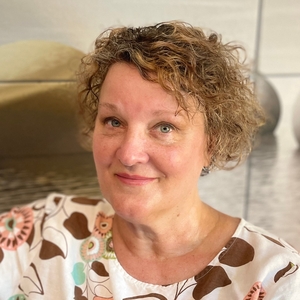
Mari Larrea
NPI
atlanta, GA
I am a sport psychology fellow specializing in mental health concerns and performance optimization for athletes and individuals in high-stress occupations. I see children, teens, adults, individuals, couples, and run a therapy group. Although I specialize in sports/performance with athletes, I see all individuals who are struggling with depression, anxiety, panic, sexual health concerns, faith & life transitions, co-occurring medical concerns, ADHD, OCD, perfectionism, and other mental health concerns!
Specializations
Sports & Performance psychology, Health psychology, Spiritual/faith integrations and transitions
Amoreena Berg
MFT
San Marcos, CA
I am a licensed MFT who has been in practice for over 15 years. I have extensive experience treating a wide variety of issues and psychological disorders from the most mild to the most severe. I work with adults and adolescents. My approach is warm, positive and compassionate. I can help you to achieve your personal goals, more effectively manage your emotions and stressors and develop strategies that will promote positive self-growth and lead you to and a more satisfying life. I have worked in a wide variety of settings in addition to my private practice including schools, residential homes and outpatient treatment facilities. My specialties include anxiety and depressive disorders, stress management, crisis counseling, grief counseling, and relationships.
Anxiety, Depression, Grief and loss
Jason Haynes
APC
Atlanta, GA
Jason is a National Certified Counselor and a Licensed Associate Professional Counselor in the state of Georgia. He has a Master's Degree in Clinical Mental Health Counseling from Richmont Graduate University.
Jason desires to engage individuals, couples, and families in a way that inspires healing, growth, and renewal. Through a safe and secure therapeutic relationship, he endeavors to care for his clients by acknowledging you as a person of infinite value and worth and addressing you in the deepest and most profound aspects of your life. Within this secure relationship, life experiences are processed in a manner that leads to freedom from past wounds and empowers for the future.
No Information Available.
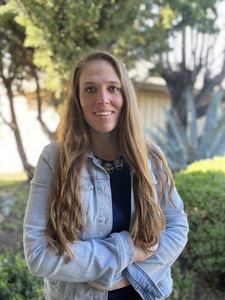
Ashley Kerner
LCSW
KEYSTONE HEIGHTS, FL
I approach therapy as the healing of all parts of you not just one particular area or problem. I use a combination of Internal Family Systems (IFS), Somatic Therapy, Eye Movement Desensitization and Reprocessing (EMDR), and Dialectical Behavioral Therapy (DBT). Together we will navigate through the jungle of trauma, depression, and anxiety. Together, our job is to find a way to the pure, free, natural state of happiness found within your authentic self. There your triggers will no longer trigger you. You will not believe those negative thoughts as truth, and you will be freed of any baggage that trauma as placed on your shoulders.
Liz Hatzispiros
LCMHC
Matthews, NC
Starting therapy can be scary, overwhelming, frustrating, and/or exhausting. There are so much options.. and if you're not a therapist yourself, many of the terms and specialties are new for you and probably don't mean anything yet. If you're not sure what exactly you're looking for, but know you want help and support, you're in the right place. I'll explain the process, walk through what next steps are and work with you along the way to answer questions and make sure what we are doing continues to feel supportive of your needs.
I offer my clients a safe space to explore questions and thoughts that they may not feel comfortable sharing with others. We will look at the feelings that come up for you in difficult situations and also share the wins together. We can keep things in the moment and focus on what's currently happening, or explore how past experiences have shaped you.
Everyone's needs are different, and there is not a one size fits all to therapy. I believe the relationship is the most important part of this process, and with a strong connection to your therapist (hopefully me!) real change and understanding can happen. If you're ready to start, please reach out and we can walk through this together.
Shelley Collier
LPC
Atlanta , GA
My mode for counseling stems from the desire to find the place of compassion within everyone’s story. We are all broken people in need of healing, but often our own judgements of ourselves prevents us from seeing the places we need love and insight. Therapy offers a safe space to process emotions and thoughts. Here, we are all able to uncover the root cause for the issues in our lives. I work from a trauma-informed perspective, working through current issues and the deeper beliefs, thoughts and emotions that influence our choices. I specialize in boundary work, anxiety, depression, relationships, life transition, death and grief, spirituality issues, substance use, adjustment to change and changing cultures. I enjoy working with clients of all ages and approach counseling from a multicultural perspective. I also provide counseling with christian values and provide counseling without based on client’s preference and value system. I look forward to meeting you!
anxiety, depression, boundaries
Claire Stuebe
LCMHC, LPC
Morrisville, NC
In my role as counselor I am honored to support individuals who are struggling with various aspects of life. Perhaps dealing with strong anxiety or depression, negative self talk, relationship issues, work or school pressures, unhealthy habits and poor self care. Does any of this sound like you? I will work with you to understand what is happening, design strategies to address your specific issues, and work step by step with you as we remove the barriers and build new and better ways of being you. Healthy, happy and connected to the world around you. Encompassing compassion and practicality, I use cognitive behavioral, mindfulness, and short-term solution-focused therapies, often in my practice. I am EMDR trained, but prefer to use EFT (a cognitive somatic tapping technique), shown to help individuals integrate and heal from past traumatic events, life experience, difficult memories, present food cravings, stress, anxiety, and phobias. I also use cognitive behavioral therapy to help clients process certain issues and find solutions. My blending of cognitive and mind-body practice creates a unique healing experience for clients. I am eager to help you thrive in all areas of your life, and will offer you the tools to make effective and lasting changes. I look forward to working with you towards the peace and health you desire. For clients who prefer speaking Spanish, I have a good command of the language. I am licensed in Virginia, North Carolina, South Carolina, Florida, Maryland and Vermont.
Anxiety, Depression, Stress/ Trauma
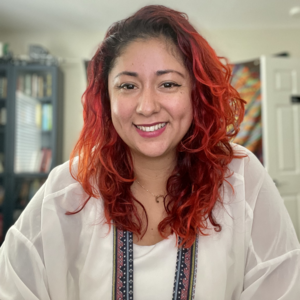
Nercy Basulto Fuentes
Licensed Marriage and Family Therapist and Associate Professional Clinical Counselor
Sacramento , CA
If you’re still struggling to find that inner peace and don’t know what else to do, that’s when I come in. I’m a licensed marriage and family therapist who is passionate about working with those who want to find themselves again – or maybe find themselves for the first time.
If you have one speed and that speed is go-go-go, let me help you slow down and be more present. We can work on turning off that autopilot and take control of your life again.
Together, we will work on all those experiences that were pushed aside, those accomplishments you felt you didn’t deserve, that feeling that life is just passing you by, all the times you powered through because you had no option, yeah, we’ll get into those!
Let’s figure out how to get you where you want to be. Let’s find that inner peace you’ve been searching for.
Together we’ll laugh, talk about the good and the bad, but most of all we will get you to a place where you can feel just a bit lighter than you did before.
Trauma and PTSD, Military and First Responders, Anxiety
Christine Van De Kerckhove
Licensed Professional Clinical Counselor
SACRAMENTO, CA
I consider it a gift to help individuals and couples meet their goals and work towards becoming their most authentic selves. I have expertise and experience treating depression, anxiety, adjustment issues, trauma, family and relational issues, marital concerns including infidelity, and more. My therapeutic approach is fairly simple: I believe you are the expert in your life and I am here as a partner and sounding board to help you make real positive changes. My therapeutic style takes into account my training in Cognitive Behavioral Therapy, Solution-Focused Therapy, and Gottman therapy for couples, in conjunction with my belief in the resilience of the human spirit. I tailor my methods to suit the unique needs of the couples and individuals I serve. I understand how daunting it can feel to reach out for help, but you don't have to face this alone. Together, we can embark on a journey toward a more fulfilling and meaningful life.
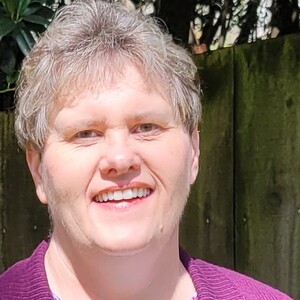
Vianne Satterfield
Licensed Professional Counselor
Marietta, GA
I am licensed as a Professional Counselor in Georgia. I earned a MS degree in Community Counseling in 1989 from Georgia State University, and am certificated in Christian Counseling from Richmont Graduate University. I am a Certified Clinical Trauma Professional (CCTP) and have completed EMDRIA-sponsored Basic Training in EMDR to help people with trauma.
As a licensed professional counselor and an experienced inner healing prayer minister, I am passionate about helping people get past difficulties. Others describe me as compassionate, insightful and skilled at getting to the root cause of an issue. I would be honored to help you overcome adversity.
Inner Healing , Trauma Focused

.jpg)