Virtual Counseling
Concerns
Therapist Gender
Counseling For
Price Range
Insurance Accepted
Payment Options
Client Focus - Age
Client Focus - Religion
Client Focus - Ethnicity
Language Spoken
Treatment Approach
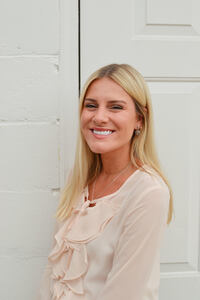
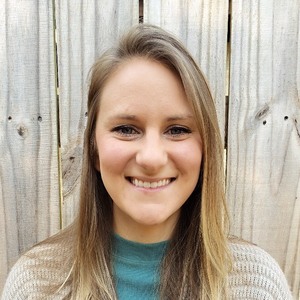
Catherine Gouge
APC, NCC
Cumming, GA
Catherine attended the University of North Georgia both as an undergraduate and graduate student, earning a Bachelor of Science in Psychology and her Master of Science in Counseling. She is an Associate Professional Counselor as well as a National Certified Counselor. Catherine received specialized training in addictions as a part of her program, which qualified her to receive the title of a Certified Addictions Counselor – Level 1. Catherine is also a member of the American Counseling Association. She has worked with children, teenagers, and adults on a variety of presenting issues. Catherine has a desire to help those struggling with anxiety, depression, and low self-esteem, as well as those impacted by substance abuse. She is particularly interested in helping those who are struggling to find meaning in their lives and joining alongside them in their spiritual journey. She seeks to meet clients where they are in their life circumstances and to help them accomplish their therapy goals. Catherine’s hope is to use her therapeutic bond with her clients to assist them in encountering and accepting themselves fully, leading them to experience authentic and free lives. She also utilizes Cognitive Behavioral Therapy techniques as well as a Family Systems approach. Catherine is trained in Motivational Interviewing and incorporates it into therapy at different stages to assess for and encourage client progress.
Specializations
No Information Available.
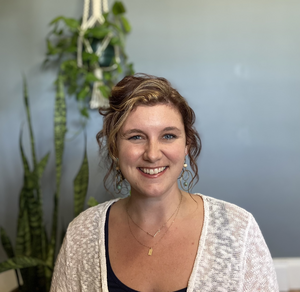
Kristina Tucker
LPC
Kennesaw, GA
Kristina desires to join with others in their path to greater healing and wellness. She specializes with Maternal Mental Health (infertility, pregnancy, prenatal, and postpartum,) trauma, attachment disorders, anxiety, and depression. Her therapeutic approach is person-centered, working with the client to establish feeling seen, understood, and supported within the therapy relationship first and foremost. Kristina often includes approaches such as EMDR (Eye Movement Desensitization and Reprocessing,) IFS (Internal Family Systems)/ego-state work, narrative therapy, education to facilitate a better understand how your brain and body process stress, and body-based approaches based upon training as a Trauma Conscious Yoga Instructor. She also has thorough training and experience with integrating the Christian Faith in the counseling process.
Pregnancy, Prenatal, Postpartum, Trauma, Chronic Illness
Kevin Chow
LMFT
Union City, CA
My approach to therapy revolves around putting my clients at the center of the process. This means tailoring treatment to suit your specific needs and preferences. It could involve processing through deep-rooted issues, equipping you with coping mechanisms and practical skills, or even collaboration to problem solve. For me, being a therapist is a profound privilege to walk alongside my clients on their journey towards self-discovery and growth. I see each client as an individual with unique experiences, challenges, and aspirations. My role is to support you in realizing your vision for yourself and help navigate through whatever obstacles you may encounter along the way.
Life Transitions, Work related stress, Anxiety
Shelley Spence
ABCDE
DEMO CITY, AL
Loni Fillmore
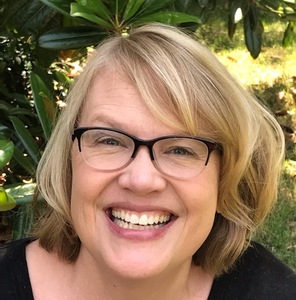
Victoria Eades
Associate professional counselor
Atlanta, GA
I have a master's degree in Clinical Mental Health Counseling and work with adults, teens, children, and couples. I am a person -centered and strengths based counselor, which means that I see you as the expert on you and will use my skills to help you find the solutions to your problems that are best for you. During our work together I will draw from various counseling theories including: solutions focused brief therapy, psychodynamic, CBT, and attachment theory. I have a certificate in child and adolescent therapy and specialized training in play therapy that I will use with my younger clients.
Stephanie Little
LMSW
Rochester, NY
I am a trauma therapist practicing EMDR in the Rochester, NY area, and provide telehealth in all of New York State. I live by the principle of “more curiosity, less judgement” driving empathy and understanding into my work. I aim to create a welcoming and open therapeutic space for clients to safely explore and regain their sense of self. I believe that therapy should be authentic and transparent, and I strive to partner with clients so that they may be the experts in their treatment and feel empowered. I have been a social worker in Rochester, NY for about 8 years. I first started working with adults with developmental disabilities as a behavior intervention specialist which fueled my love for psychology and understanding human behavior in our various contexts. I specialize in working with adults and couples with relationship challenges, anxiety, depression, and trauma. I am here for you and would be honored to partner with you in your healing journey!
Trauma and complex trauma, Anxiety, Intellectual and developmental disabilities
Maureen Zdanis
Psychologist PsyPACT
Philadelphia, PA
At any stage of development, we are bound to encounter obstacles to our ability to thrive. I help clients to become proactive agents in their own process. I have worked extensively with clients across all ages to reduce symptoms, promote growth, and instill acceptance, and lasting change.
Depression, LGBTQ, Anxiety
Courtney Baggs
LMHC, MT-BC
Tallahassee, FL
Courtney Baggs is a Licensed Mental Health Counselor and Board Certified Music Therapist in Tallahassee Florida. Courtney believes that the most important part of therapy is the client’s empathic relationship with their counselor as well as understanding the client’s strengths and goals. Courtney is passionate about helping clients identify their goals and remove or manage obstacles standing in the way. Courtney has over 4 years of experience working with children, teens and adults from a variety of backgrounds and experiences. She has worked primarily with clients who have a trauma history, relational and family issues, anxiety, and depression. In addition to providing Music Therapy in Tallahassee Florida Courtney has specific training in Trauma- Focused Cognitive Behavioral Therapy, Internal Family Systems Theory, and EMDR. She also uses music therapy to provide clients with a safe and creative environment in order to process through personal challenges. Courtney graduated from Colorado Christian University with her Master’s degree in mental health counseling after receiving her bachelors degree in music therapy and psychology from Florida State University. When she is away from the office, Courtney enjoys spending quality time with her family, playing music, staying active, and being outside.
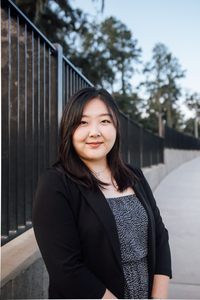
Grace Choi
LAMFT
I specialize in working with individuals and couples who feel stuck in relationships. I work with clients to better understand their attachment styles and attune to their emotions. I also work with multicultural individuals and couples and work to help explore identities. As a second-generation Korean-American, I recognize the difficulties of navigating multiple cultural identities and the stigmas around mental health and therapy. I offer my services in English and Korean.