Virtual Counseling
Concerns
Therapist Gender
Counseling For
Price Range
Insurance Accepted
Payment Options
Client Focus - Age
Client Focus - Religion
Client Focus - Ethnicity
Language Spoken
Treatment Approach
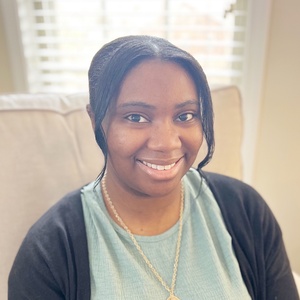
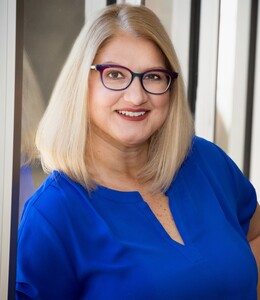
Shawndell Clay
PsyD
Pleasant Hill, CA
As a mental health professional with over 15 years of experience, I am honored to collaborate with others as a fellow traveler on their journey to their ideal lifestyle. We achieve this together by using evidence-based practices (e.g., CBT, ACT) to identify and deconstruct unhelpful thought patterns that keep you stuck in behaviors that may have been adaptive in the past but no longer serve your present. This might include seeking validation from people whose opinion you no longer care for, working towards goals you no longer desire, or striving for hyper-independence when you really want to try on vulnerability.
Specializations
No Information Available.
Alleyna Alleyne
Licensed Professional Counselor
Marietta, GA
I specialize in working with children, teens, and young adults. I also offer art-informed Cognitive Behavioral Therapy (CBT) as an alternative to traditional talk therapy, providing my young clients with a creative and engaging therapeutic approach.
With a holistic and eclectic approach, I tailor the therapeutic experience to best fit client goals. Combining person-centered therapy, art-informed CBT, and reality therapy, I create a personalized and distinctive journey for my clients. I firmly believes that one's perception plays a crucial role in their overall mental well-being, recognizing that distorted perceptions can hinder the experience of joy. By increasing mindfulness while maintaining realism, I support my clients in achieving their goals.
Wendy Morua
ABCDE
DEMO CITY, AL
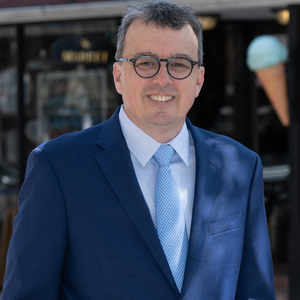
James Creighton
Psychology
Houston, TX
Clinical Psychologist, Professional Mediator and Arbitrator with considerable experience working with individuals (adult, adolescents, and children), couples, families, organizations, and other systems.
Individual psychotherapy (ages 5 - 65), Couples Therapy, Family Conflict
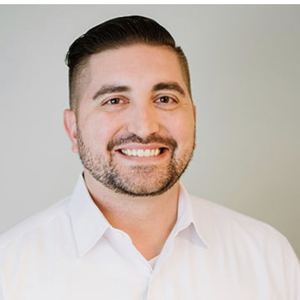
James Foley
Clinical Psychotherapist MSW LCSW-R
New York, NY
Sexual Misbehavior Absolute Expert. I bring 28 years of Expert, Elite, Speciality, Highly Trained, Experience in clinical treatment of Sexual misbehavior, affairs, and other behaviors, to help you stop creating painful consequences.
My preeminent expert status had "The Adam Friedland Show” put me on 1st episode of 2nd season re: sexual addiction behaviors, I was interviewed by Rolling Stone Magazine on "virtual companions". I enjoy being the go to clinician and thought leader on high functioning men acting out sexual misbehaviors such as Infidelity, Prostitution use, Sugar Babies, etc
SEXUAL MISBEHAVIOR TELEHEALTH TO New York New Jersey Connecticut California Texas Ohio Utah
$400 per full one hour session/no insurance
I have an elite, non-insurance, self pay practice, a higher quality sexual misbehavior treatment for clients who want the much higher level of skills, knowledge and sexual misbehavior specialist insight that only decades of my experience can offer.
My clients are often high functioning successful men accustomed to superior services and results. With over a quarter century & 40k hours of expert treatment for all types of sexual misbehaviors provided.
I give you an evidence based, research oriented treating of... “sex addiction” Out of Control Sexual Behavior App Hook-Ups Strip Clubs Massage Parlors sexual compulsivity Professional Sexual Misconduct serial affairs illegal porn
....as a Certified sexual misbehavior professional. My unique level of insight in this specific issue brings skills that have clients create lasting change, faster improvements in self management, improved mood, and reduced recidivism.
I have been studying and treating this from when persons would still seek illegal deviant material via US Mail. I have done program development, clinical assistance to other agencies, complex case consultation, development of theory, and the training and clinical supervision of other highly skilled sexual behavior experts.
I developed and oversaw a Government psychiatric outpatient sexual misbehavior program. I and my subordinates used “Good Lives Model”, a deep level of understanding of these behaviors, and a culturally informed perspective took into account the disorder, and culture that enabled it.
There is no sexual misbehavior I have not seen a great many times, and no consequence that I have not seen many times.
Although most “certifications” in so called sex addiction or sex therapy held by other clinicians are not issued by Universities or government, mine in fact are issued by Universities.
Sexual Misbehavior is NOT at all under the umbrella of “sex therapists”.
“Coaches” are NOT , ever, in any way qualified for clinical matters, as hype is not skill and confidence is not education.
Sexual Misbehavior is NOT to be treated with “Marriage” therapy. One person acted out, one person created this, one person is where most of the work is needed.
Brick and mortar Fordham University trained, licensed psychotherapist, certified Ohio University also certified University of Louisville, in this issue.
That is, I am a highly trained, non judgmental, clinician that will use my superior insights to help you improve faster.
$400 per session no insurance.
I can see you with TELE-HEALTH to California New York New Jersey Texas Connecticut Utah Florida Ohio CALL ME at 718-208-6135 FOR FREE 20 MINUTE PHONE CONSULT TO SPEAK WITH THIS EXPERT $400 per one hour session, sorry-no insurance.
*Appointments available, I can see you within three days, sometimes even see you the same day you call, giving you very fast access to the expert level treatment for sexual misbehavior.
Call me at 718-208-6135 for a free twenty minute evaluation to see if I am the right sexual misbehavior expert for you or your loved one, I would love to help
www.sexuallycompulsive.com
https://www.youtube.com/channel/UCnNNehrVYzn2mgMNgSV7Ndg
https://www.linkedin.com/in/james-foley-psychotherapist-clinical-consultant-t-0004607b/
"Sexual Addiction", Infidelity, Sexual Misconduct
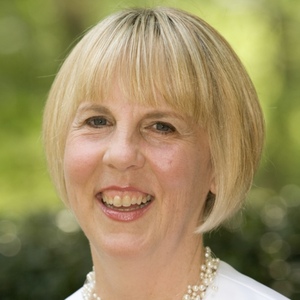
Adam Glendye
LPC, CPCS
Peachtree City, GA
Adam has over a decade of experience working in mental health. He specializes in working with Entrepreneurs, Pilots, and is a therapist for therapists. His friends call him “The Sex, Drugs, and Rock n Roll Therapist” because he works with sexual concerns, any type of substance or process addiction, and works with people who have amazing careers and families... on paper. He enjoys helping people not only have excellent CV’s but also utilizing those skills to have excellent families and friendships.
Kathryn Larisey
LPC CPCS DCC
I offer guidance through the wilderness of depression and anxiety, support in life‘s crucial decisions, deep inner listening, companionship in the life of the Spirit, help in the formation of relationships between other people and God, a sacred space for connecting with your true Self, the therapeutic gift of love, a journey into wholeness.
Dream Work, Mindfulness , Spirituality
Essence Fiddemon
LPC
Atlanta , GA
Hello, I am a fully licensed LPC in Ga. I am trained in DBT, CBT and CPT. I help clients who live with depression, borderline personality disorder, anxiety and who struggle with relationships. I work with couples, parents and individuals.
I develop a positive and relational approach in therapy. I think it is important to be intentional in life. It starts with improving self-esteem and good self care. In therapy, you are in charge. We go at your speed. We will work towards your growth. Growth will be intentional during our time together. I have intense training in DBT, CBT, CPT (for trauma). I am also a DBT parenting coach.
Theresa Schaffer
LCSW
Decatur, GA
Do you find yourself spiraling with anxiety? If you're grappling with excessive worry about your health, experiencing panic attacks, or struggling with uncontrollable thoughts about everyday things, you're not alone. These challenges can be incredibly overwhelming and often lead to seeking constant reassurance from loved ones or compulsively searching for answers online. Maybe you’ve tried distracting yourself or avoiding situations, but nothing seems to provide lasting relief. It’s understandable to feel frustrated and exhausted by these cycles of anxiety.
I’m here to help. As a licensed therapist with a focus on anxiety disorders, I understand the complexities of these experiences. I use evidence-based approaches that are the gold standard of treatment.
If you're ready to break free from the cycle of anxiety and find meaningful relief, let's work together. My goal is to support you in building resilience and developing strategies tailored to your unique needs. Take the first step towards a more balanced life. Reach out today to schedule a consultation. You deserve to find peace and relief.
Anxiety, Panic Disorder, Obsessive Compulsive Disorder
Mariah Dantzler
atlanta, GA
I speak kid + teen. I want my clients to go from a place of surviving to thriving. I’m here to help them uncover how to find joy and perseverance in life by connecting deeper with themselves and others through the use of therapeutic strategies and interventions that they can carry with them forever. I have my masters in Clinical Mental Health Counseling with a specialty in children and adolescent development. I am trained in play therapy and utilize cognitive behavioral therapy (CBT), dialectical behavior therapy (DBT), and ACT (acceptance and commitment therapy) modalities to provide an individualized approach to therapy. My promise is to allow clients and their families to feel valued and heard while motivating them to become the best versions of themselves! I am dedicated to celebrating clients' individuality and allowing clients the space to explore their story and in return gain confidence, awareness, and self-acceptance. I would be honored to walk alongside your child and your family during this time. After all, we are each unique and worth celebrating! I am also a 200hr Registered Yoga Teacher and love to incorporate mind + body awareness in my sessions. I wasn’t kidding when I said "I speak kid and teen." *I do take college aged and adult clients based on referral.
%20(2).png)