Virtual Counseling
Concerns
Therapist Gender
Counseling For
Price Range
Insurance Accepted
Payment Options
Client Focus - Age
Client Focus - Religion
Client Focus - Ethnicity
Language Spoken
Treatment Approach
Shawndell Clay
PsyD
Pleasant Hill, CA
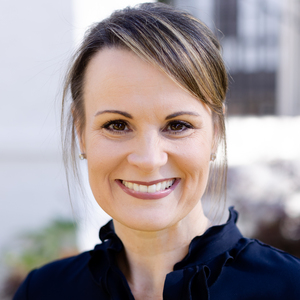
As a mental health professional with over 15 years of experience, I am honored to collaborate with others as a fellow traveler on their journey to their ideal lifestyle. We achieve this together by using evidence-based practices (e.g., CBT, ACT) to identify and deconstruct unhelpful thought patterns that keep you stuck in behaviors that may have been adaptive in the past but no longer serve your present. This might include seeking validation from people whose opinion you no longer care for, working towards goals you no longer desire, or striving for hyper-independence when you really want to try on vulnerability.
Specializations
No Information Available.
Samantha Perry
LCMHC, LPC
Lexington, NC
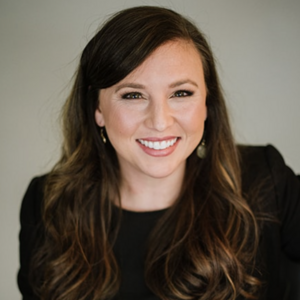
Samantha earned her Master of Health Science in Clinical Mental Health Counseling from Catawba College. She is a Licensed Clinical Mental Health Counselor through the NC Board of Licensed Clinical Mental Health Counselors (#17770) and a Licensed Professional Counselor through the SC Board of Licensed Professional Counselors (#10262). Samantha is also a Certified Psychoanalytic Psychotherapist, a Nationally Certified Counselor, a Certified Clinical Trauma Professional, a Certified Addictions-Informed Mental Health Provider, a Certified Sex Offender Treatment Professional, and a Registered Child Forensic Interviewer. Additionally, Samantha is trained in Trauma-focused Cognitive Behavioral Therapy, Interpersonal and Social Rhythm Therapy, and Somatic Experiencing.
Samantha has had the opportunity to work with patients with a variety of mental health concerns in school-based, college mental health, and outpatient settings. Her clinical focus is on severe and persistent mental health concerns, with a concentration on mood disorders. Samantha utilizes an integrative approach, combining Cognitive Behavioral, Interpersonal, and Psychoanalytic techniques. Therefore, during sessions, she commonly assists in identifying and challenging self-limiting patterns, healing from past experiences, and gaining insight into how the unconscious influences behavior. Her research interests include the intersection of mental health and the criminal justice system, the development of neurodevelopmental disorders, and genetic links between schizophrenia and associated comorbid conditions.
Mood Disorders, Psychosis, Anxiety
Beatrice Krylowski
LPC
Cumming, GA
My philosophy is that every client that walks through my office door already possesses the answers to their problems. They just don’t know they do. I believe that counseling is a healing collaboration between counselor and client, where the client as the expert, and the counselor alongside the client, together evoke the emotional, psychological, and physical changes identified and desired by the client. I earned both my undergraduate degree in psychology(2008) as well as my master’s in professional counseling(2011) from Georgia State University. I began my career working mainly with survivors of trauma. I believe that trauma is a part of life and began noticing a strong correlation between trauma, anxiety, and emotional eating and weight gain. I work with weightloss in a unique way, by helping you get to the root of the issue. Whether its a childhood trauma or an unhealthy coping skill, together in collaboration with your body lets find the answer.
Jason Cavin
Atlanta, GA
Are you struggling to find balance and create momentum in your daily life? I am offering virtual healthcare when you need it most. Through video calls we can meet, identify what change you want to occur and create a plan that propels you to a brighter future.
As a Licensed Professional Counselor (LPC) and Board Certified Behavior Analyst (BCBA), I have over 15 years of experience in the behavioral health field. Using a variety of behaviorally-focused approaches I work with my clients to help them achieve their individual goals.
I utilize a behavior analytic approach to assist my clients. This includes creating SMART goals, taking baseline data, implementing interventions, and tracking progress throughout the duration of therapy. Give me a call and let's get started!
Cathryn Wright
LPCC
Denver, CO
Do you feel disconnected from yourself and others, longing to feel known, safe, and whole? I take a holistic approach to support clients struggling identity development, relational issues, depression, meaning-making, boundaries, anxiety, sexual health and identity, and spiritual integration. I respect and honor all identities and strive to create a safe and welcoming therapeutic space for all.
Depression, Relational Trauma and Issues, Anxiety
Doyle Hamilton
LMFT
Roswell, GA
I am a minister and psychotherapist who values the healthy integration of faith along with the best of the behavioral sciences. I value spiritually grounded and psychologically informed care. One professional specialty has grief and loss.
grief and loss, marriage, family
Wendy Dickinson
Psychologist
As a Licensed Psychologist, Dr. Dickinson received a Ph.D. in Counseling Psychology from Georgia State University. Additionally, she has a Master’s degree in Professional Counseling from Georgia State University. She is the Founder and CEO at GROW Counseling and the founder of GROW Restored.
Dr. Dickinson has worked widely in the areas of leadership and organizational development in the United States and internationally. Her work has included leadership initiatives for various non-profit and faith-based organizations directed toward creating successful vision and strategy, developing innovative staff and volunteer training, and implementing team-building procedures.
Career & Leadership Development, Stress Management, Addictions
Erin Manhardt
LMHC
Bellevue, WA
I work with children, adolescents, and young adults. My therapeutic style is very person-centered. I want sessions to be beneficial for you and will cater towards your needs. I have completed training in Dialectical Behavior Therapy (DBT), Cognitive Behavioral Therapy (CBT), and Motivational Interviewing (MI). I also incorporate art therapy, sand tray therapy, and play therapy into sessions. Just like every human, every therapy session is unique!
Adolescents, Young Adults, Anxiety
Mariah Dantzler
atlanta, GA
I speak kid + teen. I want my clients to go from a place of surviving to thriving. I’m here to help them uncover how to find joy and perseverance in life by connecting deeper with themselves and others through the use of therapeutic strategies and interventions that they can carry with them forever. I have my masters in Clinical Mental Health Counseling with a specialty in children and adolescent development. I am trained in play therapy and utilize cognitive behavioral therapy (CBT), dialectical behavior therapy (DBT), and ACT (acceptance and commitment therapy) modalities to provide an individualized approach to therapy. My promise is to allow clients and their families to feel valued and heard while motivating them to become the best versions of themselves! I am dedicated to celebrating clients' individuality and allowing clients the space to explore their story and in return gain confidence, awareness, and self-acceptance. I would be honored to walk alongside your child and your family during this time. After all, we are each unique and worth celebrating! I am also a 200hr Registered Yoga Teacher and love to incorporate mind + body awareness in my sessions. I wasn’t kidding when I said "I speak kid and teen." *I do take college aged and adult clients based on referral.
Lisa Miller
LPC, NCC
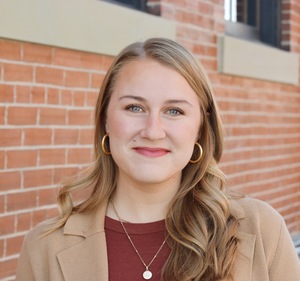
Lisa is a Licensed Professional Counselor and a National Board Certified Counselor who has more than ten years of experience specializing in working with children, teens, and families in private, public, and charter schools in metro Atlanta. She encompasses a unique perspective stemming from her years as a teacher, school counselor, and school-based therapist providing a proactive approach to wellness. She earned her Bachelor of Arts in Psychology from the University of Mississippi, Master of Arts in Teaching in Early Childhood Education from Reinhardt University, and Master of Science in School Counseling from Mercer University.
Lisa is well versed in working with families from different backgrounds and clients who are diagnosed with various learning disabilities. She is passionate about bridging the gap between home and school in order for clients to reach their full potential and for stakeholders to be mindful and sensitive to the necessary accommodations to ensure emotional, social, and academic success.
During her time within the school setting and clinical experience with a local agency, Lisa has worked extensively with families who have experienced life stage transitions such as: adoption, grief, and divorce. She utilizes mindfulness, play therapy, and sand-tray techniques in order to empower clients to experience reflection and personal growth. Lisa is certified with Connection Coalition, a non-profit organization that provides trauma-informed yoga programing and is a member of the Association of Play Therapy and the American Counseling Association.
Lisa’s specializations include:
Learning Disabilities: Attention-Deficit/Hyperactivity Disorder in all forms, Autism Spectrum Disorder, Communication Disorders, Intellectual Disabilities, Obsessive-Compulsive Disorder, and Specific Learning Disorders with impairment in reading, written expression, and mathematics
Trauma: Grief and loss, domestic violence, human trafficking, neglect, sexual abuse, natural disasters
Children & Teens: Anxiety, bullying, career counseling, college acceptance, depression, developmental transitions, executive functioning, identity development, self-esteem, social skills, testing anxiety, perfectionism, athletic performance anxiety, peer relationships, suicidal and homicidal ideation, self harm, mood dysregulation and psychotic disorders
Families: Communication, boundary setting, blended families, foster care and adoption, conflict resolution, life-stage transitions, stress management, limit setting, parent-child relationship development
Lisa’s therapeutic style includes holistic psychotherapy, cultural competence, and empathetic understanding with unconditional positive regard to all clients. In addition to providing services to clients, Lisa is passionate about spending time outdoors, running and yoga, as well as prioritizing quality time with her family, friends, and Golden Retriever.
Play Therapy, Learning Disabilities , Trauma
%20(2).png)

.jpeg)

-2.jpg)